




A note on health advice: This guide is for general information only and is not medical advice. Sleep problems can have many causes. If poor sleep is affecting your daily life, lasts more than a few weeks, or you suspect a condition such as insomnia or sleep apnoea, speak to your GP. In Ireland you can also find guidance at HSE.ie.
Why we snore
Snoring is the sound of a partly blocked airway. As you fall asleep, the muscles in your throat, mouth and tongue relax and the airway narrows. Your lungs still need the same amount of air, so it has to squeeze through a tighter space — and as it rushes past the relaxed tissues, it makes the soft palate at the back of your throat flutter and vibrate. That vibration is the snore.

Some people are simply built to snore — large tonsils or adenoids, a long soft palate, a bulky tongue or a deviated septum all crowd the airway. But the things that most often tip someone into snoring are within your control:
Lifestyle & positional fixes that work
Start here before spending a cent on devices — these are the changes with real evidence behind them, and they're free.

Sleep on your side
Back-sleepers snore the most, because gravity pulls the tongue and soft tissues back into the airway. Simply switching to your side can dramatically cut snoring for many people. If you keep rolling onto your back, the old "tennis ball sewn into the pyjama top" trick still works, or try a body pillow. Our guide to mattresses for side sleepers can help make side-sleeping comfortable enough to stick to.
Go easy on evening alcohol
Alcohol is one of the most reliable snoring triggers — it relaxes the throat muscles just when you don't want them to. Even regular snorers often notice a big difference on alcohol-free nights. Keeping the last drink a few hours before bed helps.
Reach a healthy weight
Extra weight around the neck narrows the airway. Weight loss is one of the few interventions that reliably reduces snoring — and it helps your blood pressure and general health too.
Clear your nose and quit smoking
Treating congestion (a saline rinse, managing allergies, or a humidifier in dry rooms) can quieten nasal snoring. Stopping smoking reduces the airway irritation and swelling that make snoring worse.
Anti-snore pillows & devices: what the evidence says
The shelves are full of anti-snoring gadgets, and the honest picture is that most have little science behind them. The NHS itself advises trying the free changes above first. That said, a few categories do have evidence — when matched to the right cause:
Mandibular advancement devices (MADs)
These mouthguards hold your lower jaw slightly forward to keep the airway open. They have the strongest evidence of any device, particularly for tongue-base snoring, with success rates around 80% in suitable patients. Custom-fitted versions from a dentist outperform cheap boil-and-bite ones — talk to your dentist or GP first, especially if you have dental work.
Nasal strips & dilators
Cheap and low-risk, but they only help if your snoring genuinely starts in the nose. Internal nasal dilators have a little supporting evidence; external strips less so. If you snore from the throat or jaw, they won't do much.
Anti-snore pillows & wedges
Pillows that encourage side-sleeping or gently raise your head can help by changing position rather than by any magic. Results are mixed, but as a low-cost nudge toward better positioning they're worth a try. The right pillow for your sleeping position matters more than an "anti-snore" label — see our pillow recommendations.
A sensible rule: identify where your snoring comes from (nose, tongue, throat) before buying, and combine an approach with the lifestyle basics rather than relying on a gadget alone.
Two picks that make side sleeping easier
No pillow or mattress cures snoring — position is the real lever. These two simply make the side-lying position easier to hold all night.
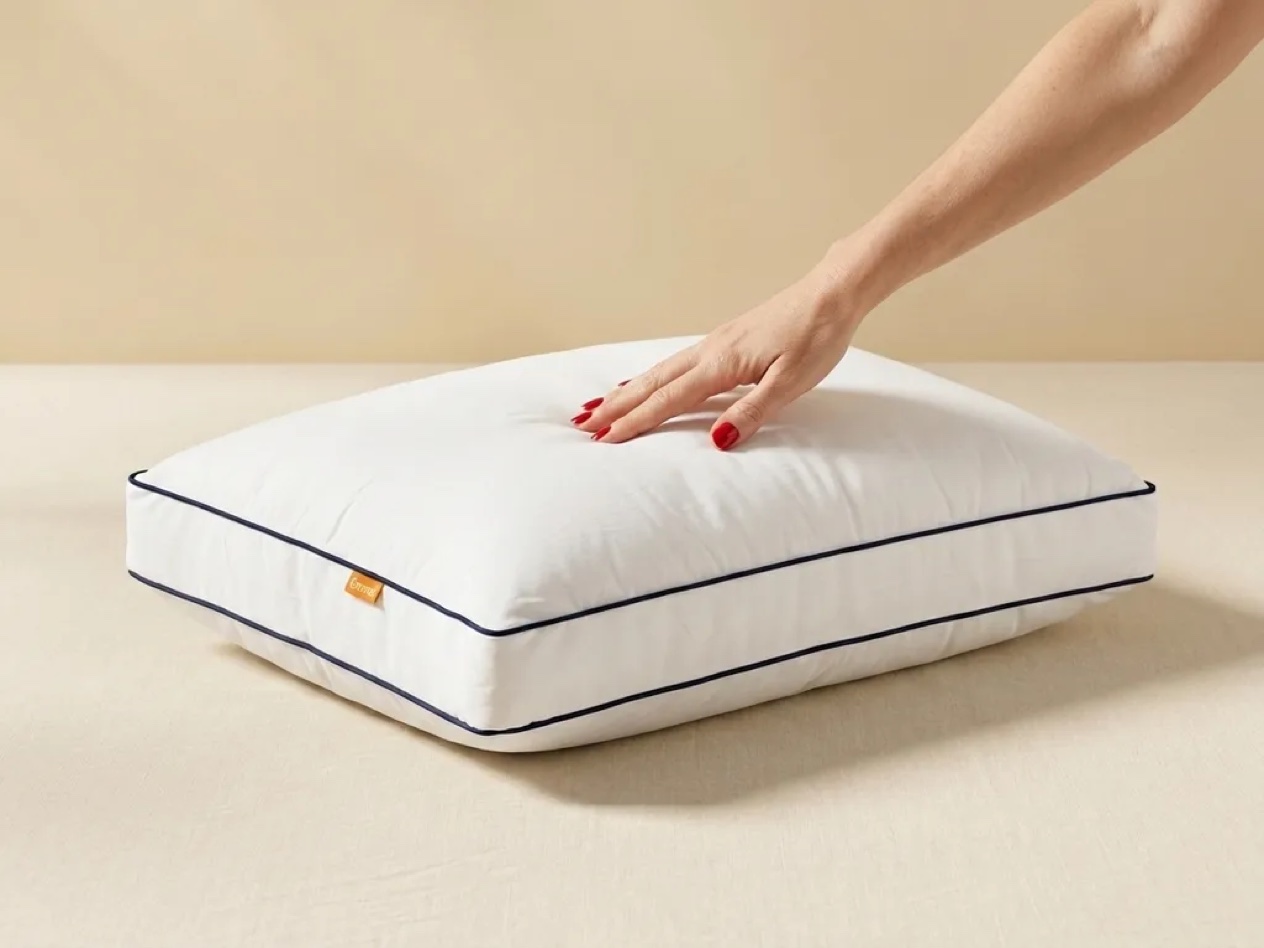
Emma Hybrid Pillow
50×70 cm · 30 nightsFlip it to the firm side to keep your head level on your side — the position that quiets most simple snoring.
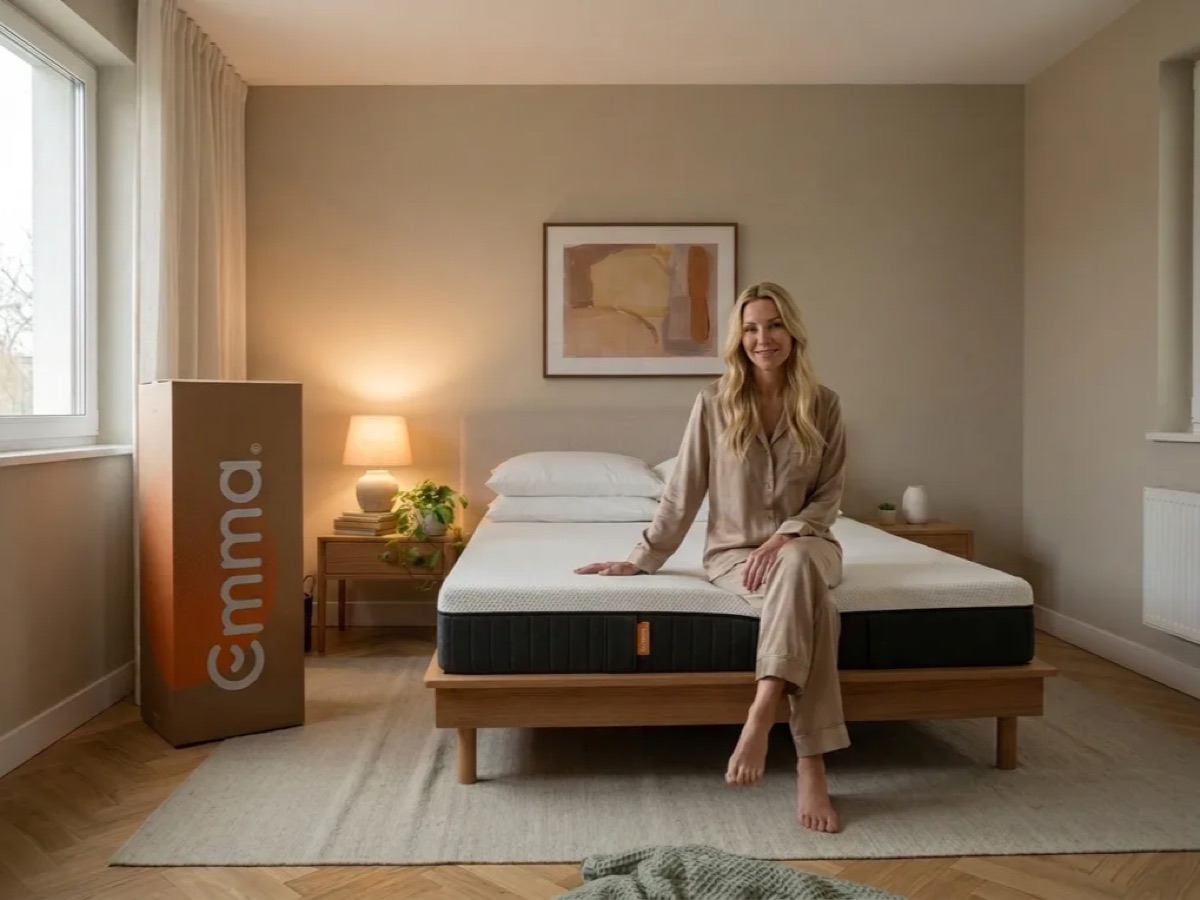
Emma Original
3.7/5200 nights · 10 yearsA sagging mattress rolls you onto your back, where snoring is loudest — a supportive medium hybrid helps you stay put.
We may earn a commission if you buy through these links — it never affects our picks.
When snoring is a warning sign
Most snoring is harmless. But snoring can also be the most obvious sign of obstructive sleep apnoea (OSA), where the airway repeatedly closes during sleep and breathing briefly stops. Untreated, it's linked to high blood pressure, heart problems and accidents from daytime tiredness — so it's important to recognise. See your GP if you (or your partner) notice:
- Gasping, snorting or choking sounds during sleep
- Snoring that goes loud, suddenly stops, then restarts with a gasp
- Pauses in breathing witnessed by your partner
- Waking unrefreshed no matter how long you slept
- Heavy daytime sleepiness — nodding off watching TV or, dangerously, driving
- Morning headaches or a dry, sore throat on waking
Loud snoring alone isn't enough to diagnose apnoea — but these signs together warrant a chat with your GP, who can arrange a sleep study. OSA is very treatable. Our guide to sleep apnoea in Ireland walks through self-screening, testing and CPAP.
Surviving a snoring partner
While they work on the causes, you need to survive tonight. The trick is to stack several small defences rather than relying on one:

Block the sound
Good foam or wax earplugs are the cheapest fix going. A white-noise machine, fan or app can also mask the irregular peaks of a snore that jolt you awake — steady background sound is far easier to sleep through than sudden noise.
Separate duvets, shared bed
Two single duvets instead of one shared double — the popular "Scandinavian sleep method" — means a restless, position-shifting snorer can't drag the covers off you, and you can each run at your own temperature. It's a small change that saves a lot of midnight tug-of-war.
Mattress motion isolation
A snorer is rarely a still sleeper — they shift, roll and reposition all night. A mattress with good motion isolation absorbs that movement so you don't feel every turn. It's one of the things we test for in our best mattresses for couples, where motion isolation and edge support matter most.
Get a head start, and nudge them sideways
Going to bed 20–30 minutes earlier means you're in deep sleep before the snoring really gets going. And gently rolling your partner onto their side (rather than elbowing them awake) often quietens things without a row.
And if you end up in separate rooms — that's okay. A "sleep divorce" carries an unfair stigma. For many couples, sleeping apart some or all nights means more rest, less resentment and, ironically, a better relationship. Do what protects both people's sleep.
When to see a GP
See your GP if your snoring comes with any of the apnoea warning signs above, if it's severe enough to strain your relationship or daily functioning, or if the lifestyle changes here haven't helped after a fair try. Your GP can check for a treatable cause (such as nasal problems or apnoea), refer you for a sleep study if needed, and point you toward properly fitted treatments rather than off-the-shelf gadgets.

Bring your partner's observations with you — what your snoring sounds like, whether there are pauses or gasps, and how it affects you both. That second-hand account is often the most useful information in the room.
Sharing a bed? Get the mattress right for two
Motion isolation, edge support and the right firmness for two different bodies make all the difference when one of you snores. Take our 2-minute quiz to be matched — no email required.
Take the 2-minute mattress quiz →Frequently Asked Questions
Related Guides
Explore more sleep content to help you make the best choices.
Sleep Apnoea in Ireland
When snoring is more serious — self-screening, testing and CPAP explained
Read moreBest Sleeping Position
Side, back or stomach — what each does to your airway and your spine
Read moreBest Mattress for Side Sleepers
Make the anti-snore position comfortable enough to stay in all night
Read moreBest Pillows Ireland
Position-matched support that nudges you away from back-sleeping
Read moreBest Mattress for Couples
Motion isolation tested, so a restless snorer doesn't wake you
Read moreInsomnia in Ireland
If lost sleep beside a snorer has become a problem of its own
Read moreSources
- NHS — Snoring (causes, self-help and treatments). View source
- NHS — Sleep apnoea (symptoms and when to get help). View source
- Use of mandibular advancement devices for primary snoring: a systematic review (peer-reviewed). View source