




The Science of Sleep Temperature
Your body temperature follows a natural circadian rhythm, dropping by about 1-2°C as you prepare for sleep. This temperature drop is a signal to your brain that it's time to rest, triggering the release of melatonin (the sleep hormone).
A bedroom that's too warm interferes with this natural cooling process, making it harder to fall asleep and reducing time spent in deep, restorative sleep stages. Conversely, a room that's too cold can cause discomfort and restlessness.
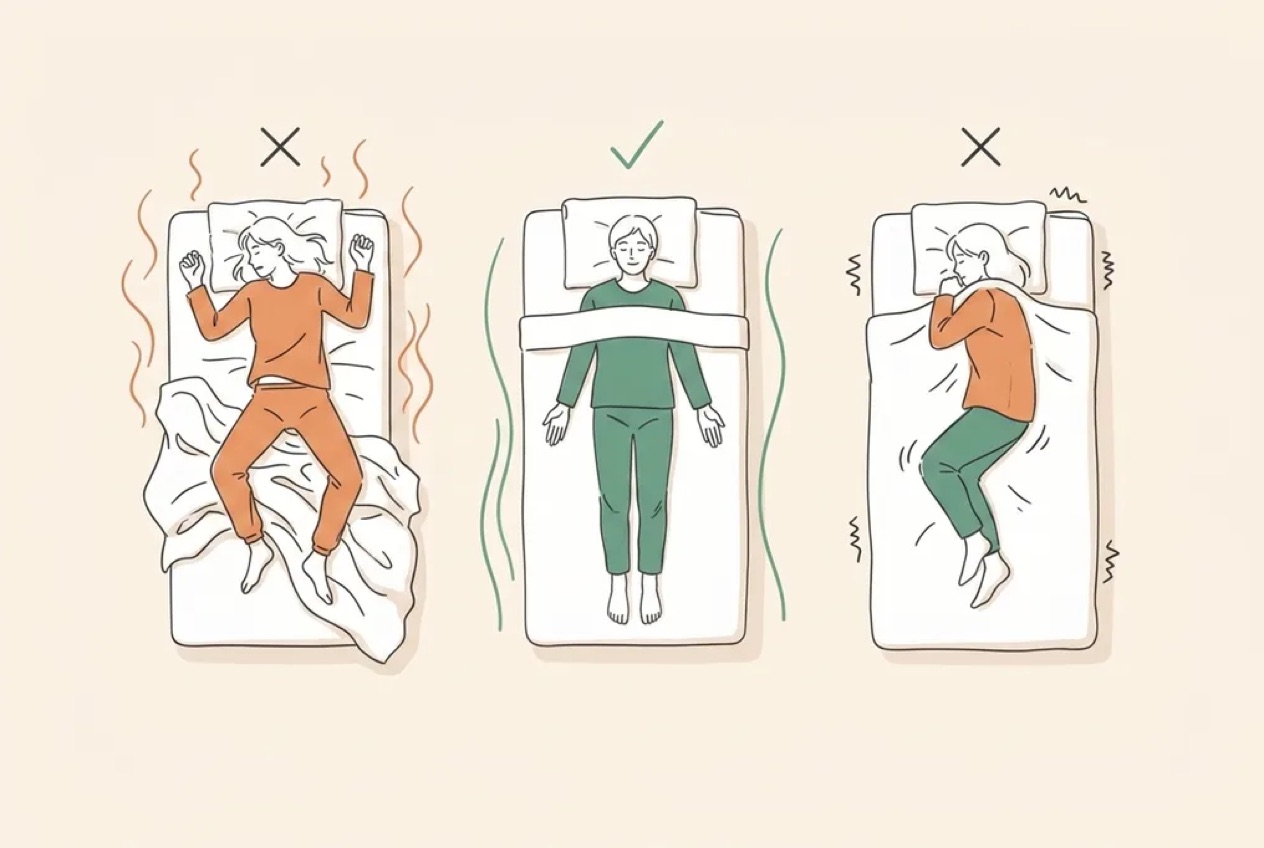
The Sweet Spot
Optimal bedroom temperature for most adults
16-18°C
(60-65°F)
This may feel surprisingly cool, especially for those used to heated bedrooms. However, studies from institutions including Harvard Medical School and the Sleep Foundation consistently find this range produces the best sleep outcomes for most adults.
Recommended Temperatures by Age Group
While 16-18°C is ideal for most adults, different age groups have varying needs:
| Group | Ideal | Acceptable Range | Notes |
|---|---|---|---|
| Adults | 16-18°C | 15-19°C | Cooler is generally better for deep sleep |
| Elderly (65+) | 18-20°C | 17-21°C | Slightly warmer to maintain circulation |
| Infants (0-12 months) | 18-20°C | 16-20°C | Critical—overheating increases SIDS risk |
| Children (1-12 years) | 17-19°C | 16-20°C | Similar to adults, monitor for comfort |
Important: Infant Safety
For babies, maintaining a room temperature of 16-20°C is critical. Overheating is a known risk factor for Sudden Infant Death Syndrome (SIDS). Use a room thermometer and dress babies in appropriate layers rather than relying on heavy blankets.
Irish Climate Considerations
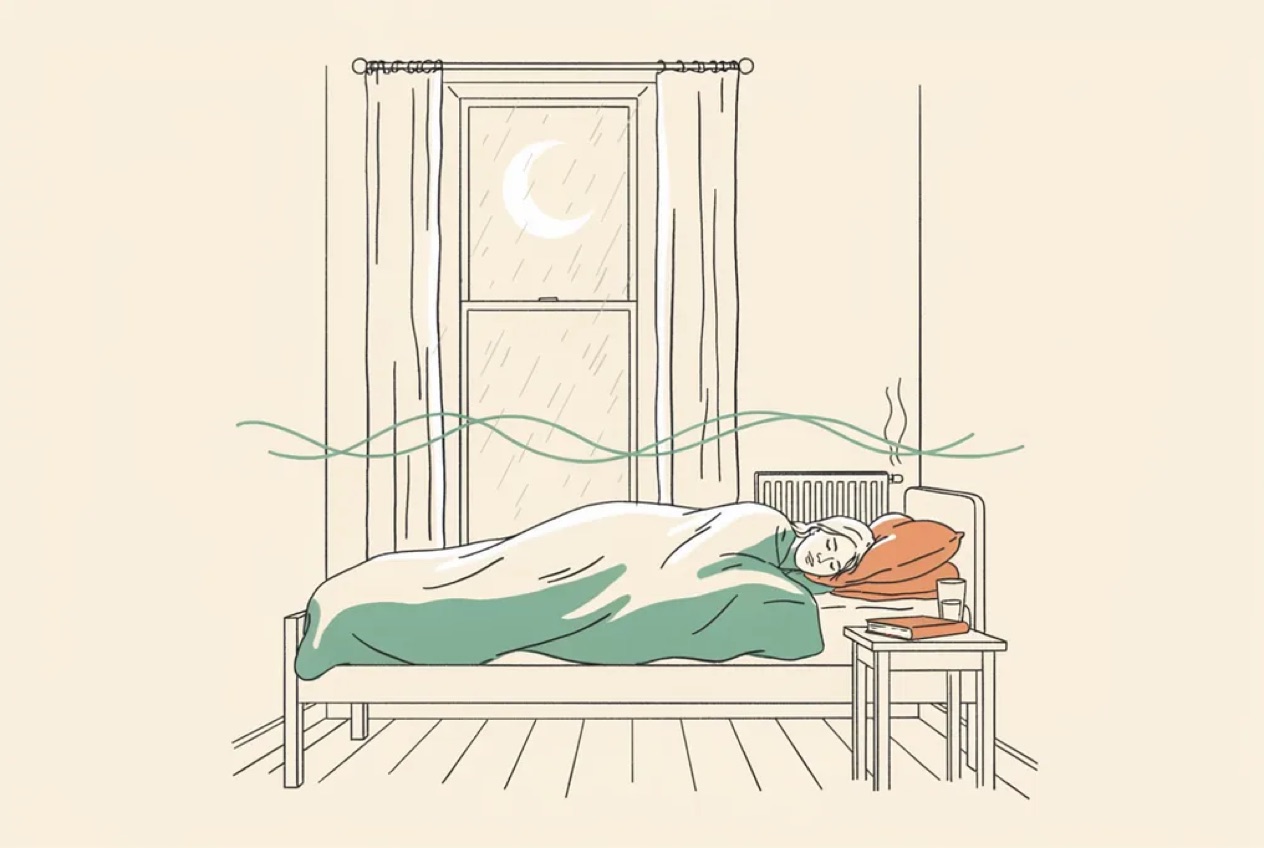
Ireland's temperate maritime climate presents unique considerations for bedroom temperature management:
Mild Winters
Irish winters rarely drop below freezing for extended periods. This means achieving the ideal 16-18°C bedroom is often possible without excessive heating—or any heating at all in well-insulated homes.
Many Irish homes are actually over-heated at night, especially those with oil or gas central heating left on overnight.
High Humidity
Ireland's humidity levels (often 70-90% outdoors) can make bedrooms feel colder than the thermometer suggests. Humidity also affects how we perceive temperature and can lead to dampness issues.
Keep bedroom humidity between 40-60% for optimal comfort. A dehumidifier can help in persistently damp rooms.
Older Housing Stock
Many Irish homes, particularly those built before 2000, have poor insulation. This can lead to rapid heat loss and cold bedrooms in winter, or conversely, reliance on overnight heating that makes rooms too warm.
Consider upgrading insulation or using draught excluders. Layer bedding rather than increasing heating.
Summer Warmth
While Ireland rarely experiences extreme heat, summer nights can occasionally exceed comfortable sleeping temperatures (above 20°C), particularly in south-facing or poorly ventilated bedrooms.
Blackout curtains help keep rooms cool during long summer days. Open windows in the evening to cool the space.
Seasonal Temperature Tips
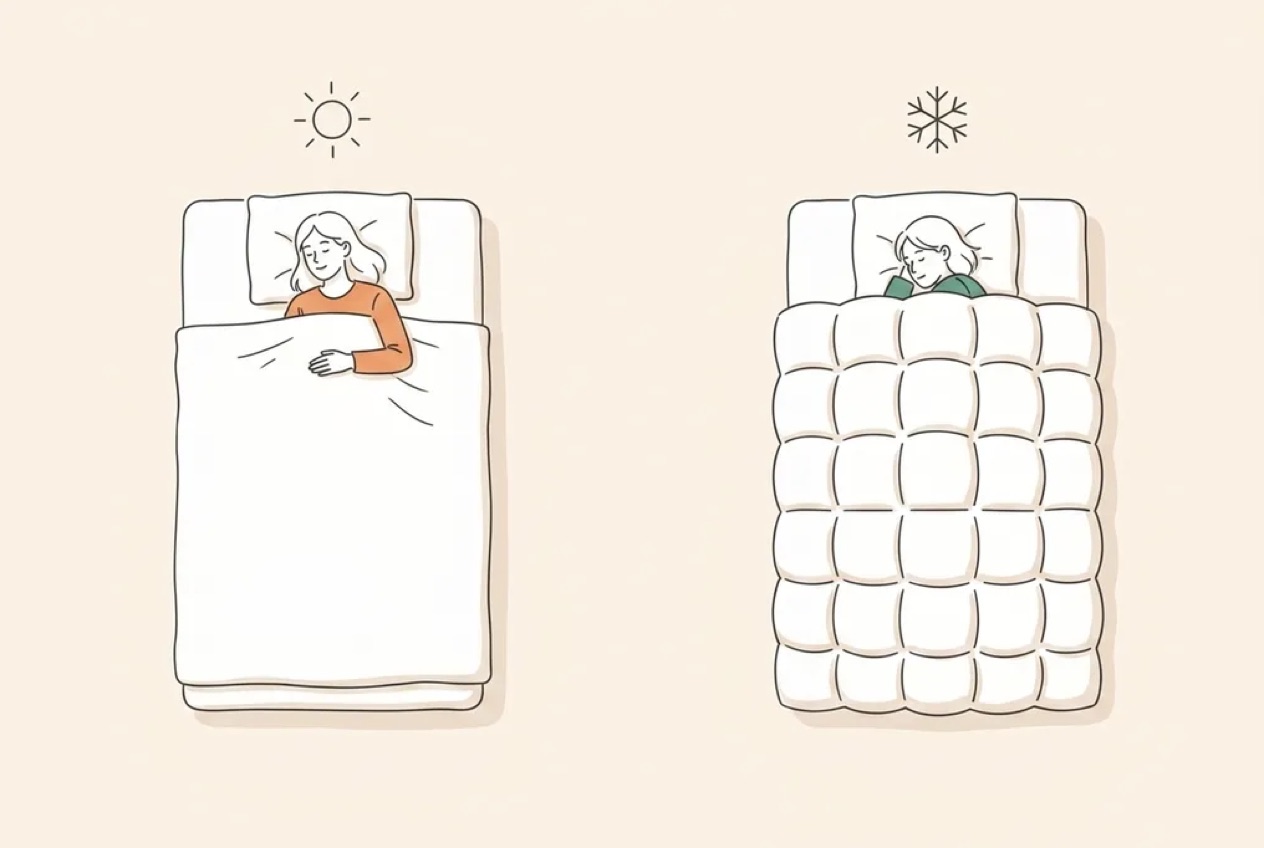
Winter (Nov-Feb)
- •Set bedroom radiator lower than living areas
- •Use a programmable thermostat to reduce heating at night
- •Layer blankets rather than cranking up the heat
- •Consider a hot water bottle to warm the bed before sleep
- •Keep bedroom door closed to maintain temperature
Summer (Jun-Aug)
- •Open windows in the evening to cool the room
- •Use lighter tog duvets (4.5 tog or less)
- •Consider a fan for air circulation
- •Keep curtains/blinds closed during hot afternoons
- •Sleep with minimal bedding if needed
Spring/Autumn
- •Adjust bedding weight as temperatures fluctuate
- •Ventilate the room daily to manage humidity
- •Be prepared for overnight temperature drops
- •Use a 10.5 tog duvet for versatility
- •Monitor humidity levels (40-60% ideal)
Bedding that does the temperature work
Bedding is the fastest temperature control you have — quicker than any thermostat. These are the tested pieces we'd use to run the bed cooler or warmer by season.
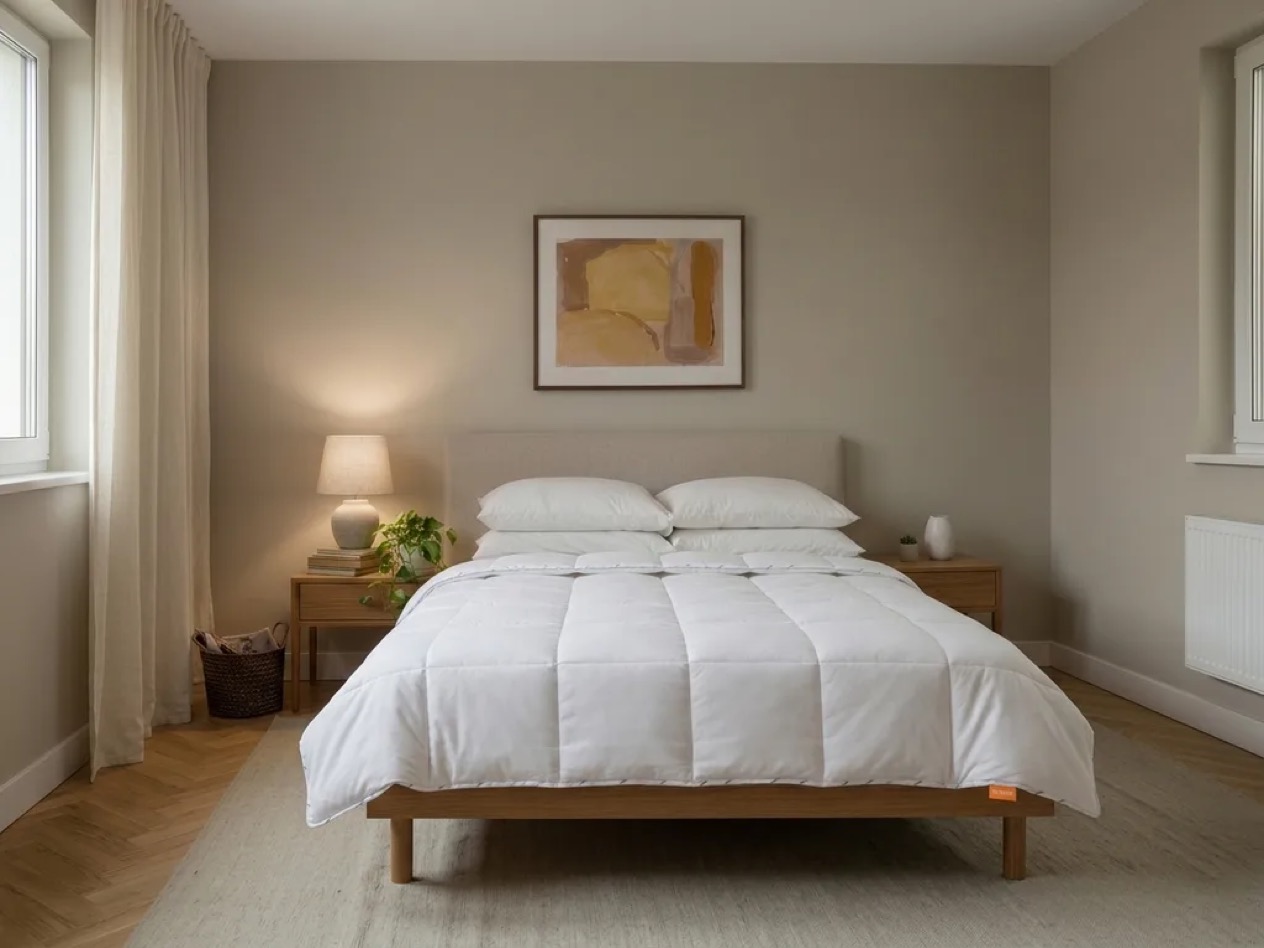
Emma All Seasons Duvet
Single 140×200 cm only on the live Irish configurator · 14 nightsTwo clip-together layers give three warmth levels — one duvet that tracks the seasons instead of a hot press full of togs.
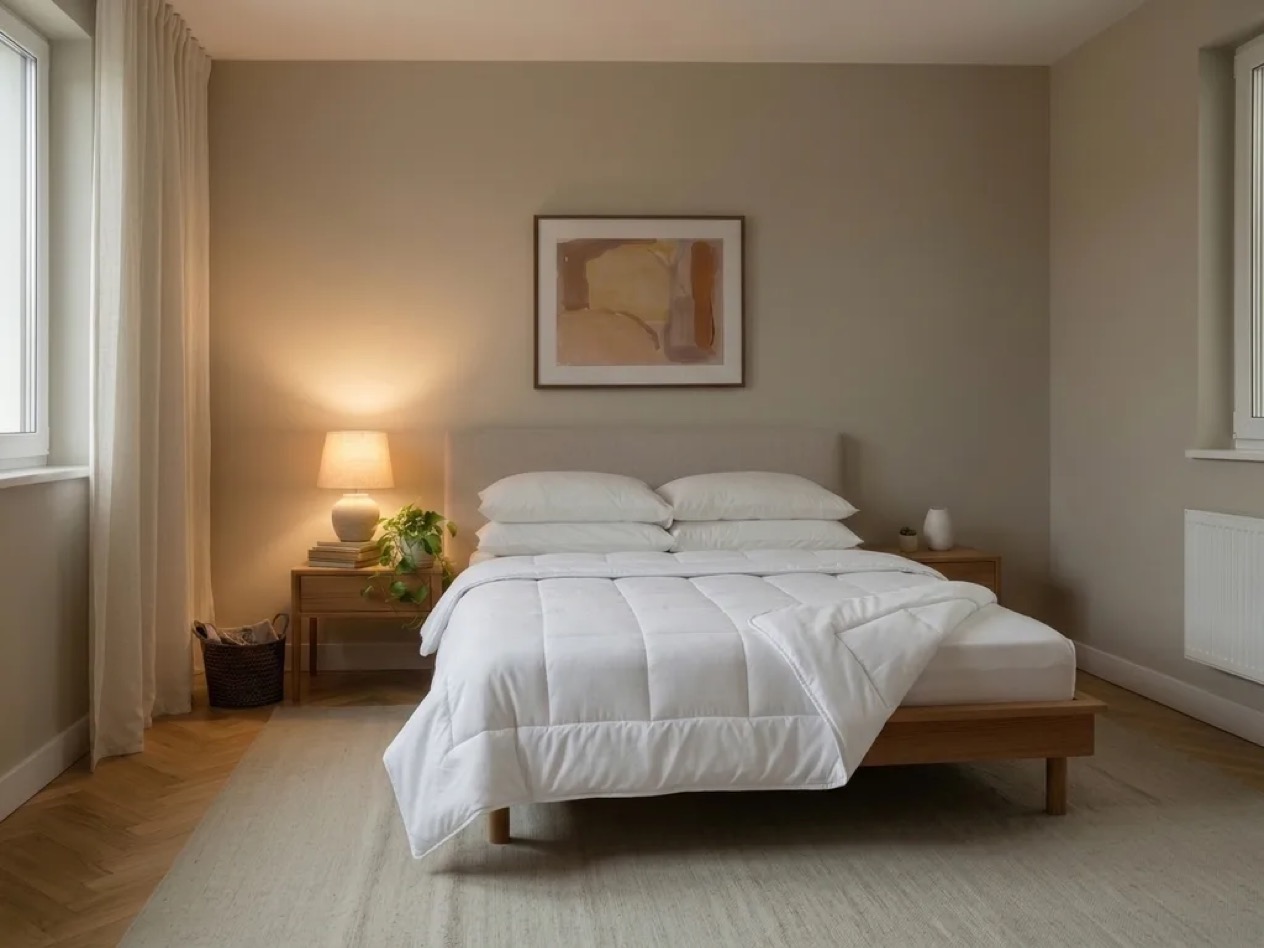
Emma Spring & Autumn Duvet
140×200, 200×200, 225×220, 240×220 cm · 14 nightsA lightweight microfibre duvet for the months when a winter tog turns the bed into a radiator.
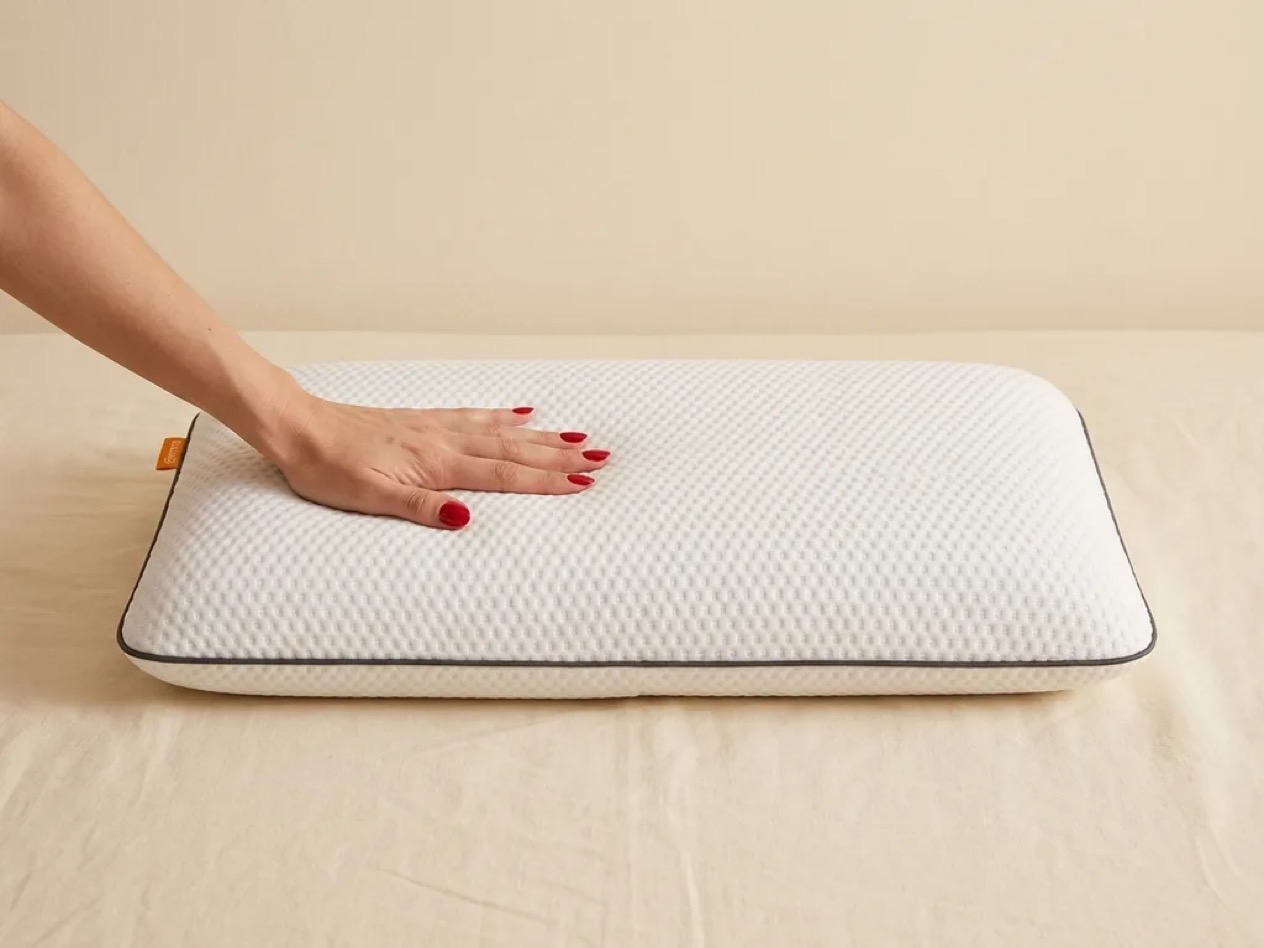
Emma Adapt Cooling Pillow
40×70 cm · 30 nightsCool-to-touch ThermoSync foam where you feel overheating first.
We may earn a commission if you buy through these links — it never affects our picks.
Practical Tips for Temperature Control
Use a Programmable Thermostat
Set heating to reduce automatically 30-60 minutes before bedtime. A gradual temperature drop mimics natural conditions and saves energy. Many modern thermostats can be controlled via smartphone for easy adjustment.
Get a Bedroom Thermometer
Our perception of temperature is subjective and often inaccurate. A simple digital thermometer (€10-€20) lets you know the actual temperature. Place it away from radiators and direct sunlight for accurate readings.
Layer Your Bedding
Rather than adjusting room temperature, use layers you can add or remove. A sheet, light blanket, and duvet give you flexibility. This is especially useful when sharing a bed with someone who prefers different warmth levels.
Consider Your Mattress
Memory foam mattresses retain more heat than innerspring or latex options. If you sleep hot, consider a hybrid with pocket springs for better airflow, or use a cooling mattress topper. Breathable bedding materials (cotton, linen, bamboo) also help regulate temperature.
Ventilate Daily
Open windows for 10-15 minutes each day to refresh air and reduce humidity. In Ireland's damp climate, this helps prevent condensation and maintains healthier indoor air quality. Even a brief airing makes a noticeable difference.
Energy-Saving Heating Tips
Maintaining cooler bedroom temperatures isn't just better for sleep—it's also better for your energy bills. Here's how to save money while sleeping better:
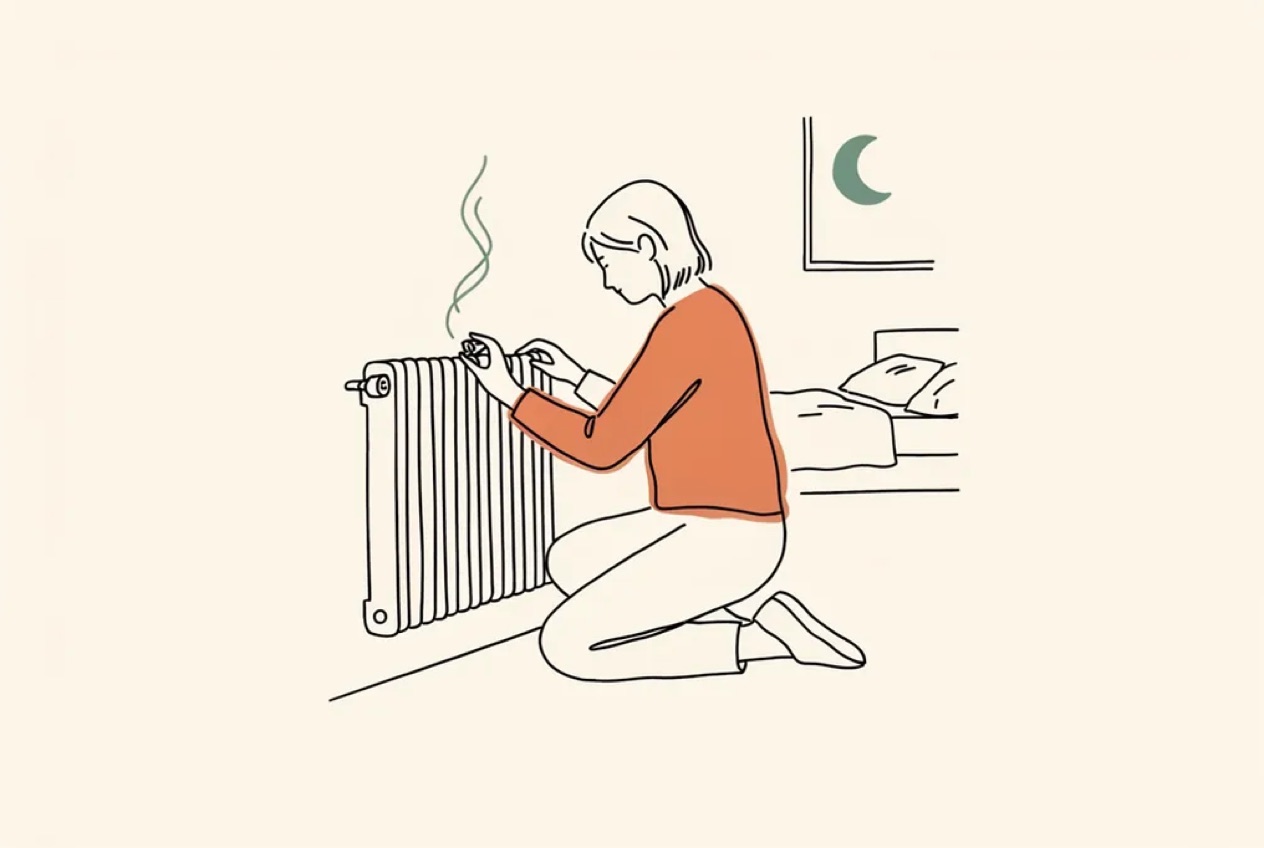
- €Turn bedroom radiators to low or off: Heat other rooms for evening comfort, but let the bedroom stay cool. Close the bedroom door to maintain the temperature difference.
- €Reduce thermostat by 1°C: According to Gas Networks Ireland, reducing your thermostat by just 1°C can cut heating bills by up to 10% without noticeably affecting comfort.
- €Use thermostatic radiator valves (TRVs): These allow you to set different temperatures for each room. Set bedrooms lower than living spaces.
- €Don't heat empty bedrooms: If guest rooms aren't in use, keep radiators off or on the frost setting to save energy.
- €Invest in better bedding: A quality duvet and mattress topper can keep you warm in a cooler room, reducing the need for heating.
Frequently Asked Questions
The Bottom Line
The ideal bedroom temperature for most adults is 16-18°C—cooler than many people expect. In Ireland's temperate climate, this is achievable most of the year without excessive heating, making it both sleep-friendly and energy-efficient.
If your bedroom currently runs warmer, try gradually reducing the temperature by 1°C per week until you reach the optimal range. Combine this with appropriate bedding and you'll likely notice improved sleep quality within days.
Remember: your body needs to cool down to sleep well. A slightly cool bedroom supports this natural process, leading to deeper sleep and more refreshed mornings.
Related Guides
Explore more sleep content to help you make the best choices.
Best Cooling Mattresses in Ireland
Cool-to-touch covers and airflow-first builds for hot sleepers
Read moreMenopause & Sleep
Night sweats and hot flushes — cooling strategies that actually help
Read moreSleep Calculator
Work out your ideal bedtime from 90-minute sleep cycles
Read moreMattress Care Guide
Beat damp, condensation, and mould in Irish bedrooms
Read moreInsomnia in Ireland
Practical, evidence-based fixes when you can't fall or stay asleep
Read moreWhy Am I Always Tired?
Common causes of constant tiredness — and what to do next
Read more