




A note on health advice: This guide is for general information only and is not medical advice. Sleep problems can have many causes. If poor sleep is affecting your daily life, lasts more than a few weeks, or you suspect a condition such as insomnia or sleep apnoea, speak to your GP. In Ireland you can also find guidance at HSE.ie.
Your midwife comes first. Everything here is general information to help you sleep more comfortably. Pregnancy is individual, so your midwife, GP or obstetrician's advice always takes priority — and any reduced or changed baby movements should be reported to your maternity unit straight away.
Why pregnancy disrupts sleep
Broken sleep in pregnancy is the norm, not a sign anything is wrong — insomnia symptoms jump from around 6% before pregnancy to roughly 44% in the first trimester and over 60% by the third. Several things pile up at once:

Safe sleeping positions, trimester by trimester

First trimester (weeks 1–12)
Position isn't a safety concern yet, so sleep however is comfortable while you can. It's a good time to start getting used to side-sleeping, as it'll matter later — but there's no need to force it this early.
Second trimester (weeks 13–27)
Many people sleep best in this stretch as early nausea eases. As the bump grows, begin favouring your side and easing off back-sleeping, so that the third- trimester habit is already in place.
Third trimester (from 28 weeks) — the one that matters most
From 28 weeks, the advice is to go to sleep on your side — either side — for every sleep, including daytime naps. The UK MiNESS study found that settling to sleep on your back in late pregnancy is linked to around a 2.3 times higher risk of late stillbirth, because the weight of the bump can press on the large blood vessels behind it and reduce blood flow to your baby.
Two reassurances that matter: either side is fine (left or right — both are far safer than your back), and it's the position you fall asleep in that counts. If you wake on your back, don't panic — just turn onto your side and settle again. A pillow tucked behind your back helps you stay there.
Pregnancy pillow types & how to choose
A pregnancy pillow isn't essential — ordinary pillows between the knees and behind the back do much of the job — but the right one makes side-sleeping far more comfortable as the bump grows, and helps keep you off your back. Match the shape to your main need:

Wedge
Targeted support, small bedsA compact triangle that tucks under the bump, between the knees or behind the back. Cheapest and least intrusive; good for easing round-ligament or back strain and propping up for reflux.
Full-length body pillow
Side-sleeping & knee supportA long straight pillow to hug and drape a leg over, keeping the top hip from rotating. More support than a wedge, less bulk than a U or C shape.
C-shape
Back + bump in oneCurves around the body to cradle the head, bump and back, with the lower arm tucking between the knees. Good all-rounder that takes up less of the bed than a U.
U-shape
Full support, prevents rollingSurrounds you on both sides — supporting head, bump, back and knees at once, and physically discouraging rolling onto your back. The most supportive, but it dominates the bed.
When choosing, think about fill (firmer memory foam holds its shape for support; fibre is softer, cooler and more mouldable but compresses over time) and look for a removable, washable cover — breathable cotton or bamboo sleeps cooler, which matters when pregnancy runs you warm. For everyday pillow support by sleep position, see our pillow guide.
Mattress considerations
Since you'll be spending the whole pregnancy on your side, your mattress matters more than usual. The aim is a surface that cushions the hip and shoulder so they don't ache under your weight, while still supporting your spine and the extra load of the bump — broadly a medium to medium-firm feel for most people.

- •Too firm and the hip and shoulder take all the pressure on your side — a common cause of pregnancy hip pain.
- •Too soft and you sink and lose support, making it harder to turn over (which you'll do a lot).
- •Not ready to replace a mattress before a baby arrives? A good mattress topper can add pressure relief to a too-firm bed for far less — we tested the Original Pro Topper for that (it will not fix sag, and should not be stacked on ThermoSync or AirGrid mattresses).
Our best mattresses for side sleepers is the most relevant roundup, since you'll effectively be a side sleeper throughout.
Three practical bed upgrades for pregnancy
You don't need a new mattress for pregnancy. These three cover the practical bits instead: protecting the bed, softening a too-firm surface for side sleeping, and neck support that adjusts as you do.
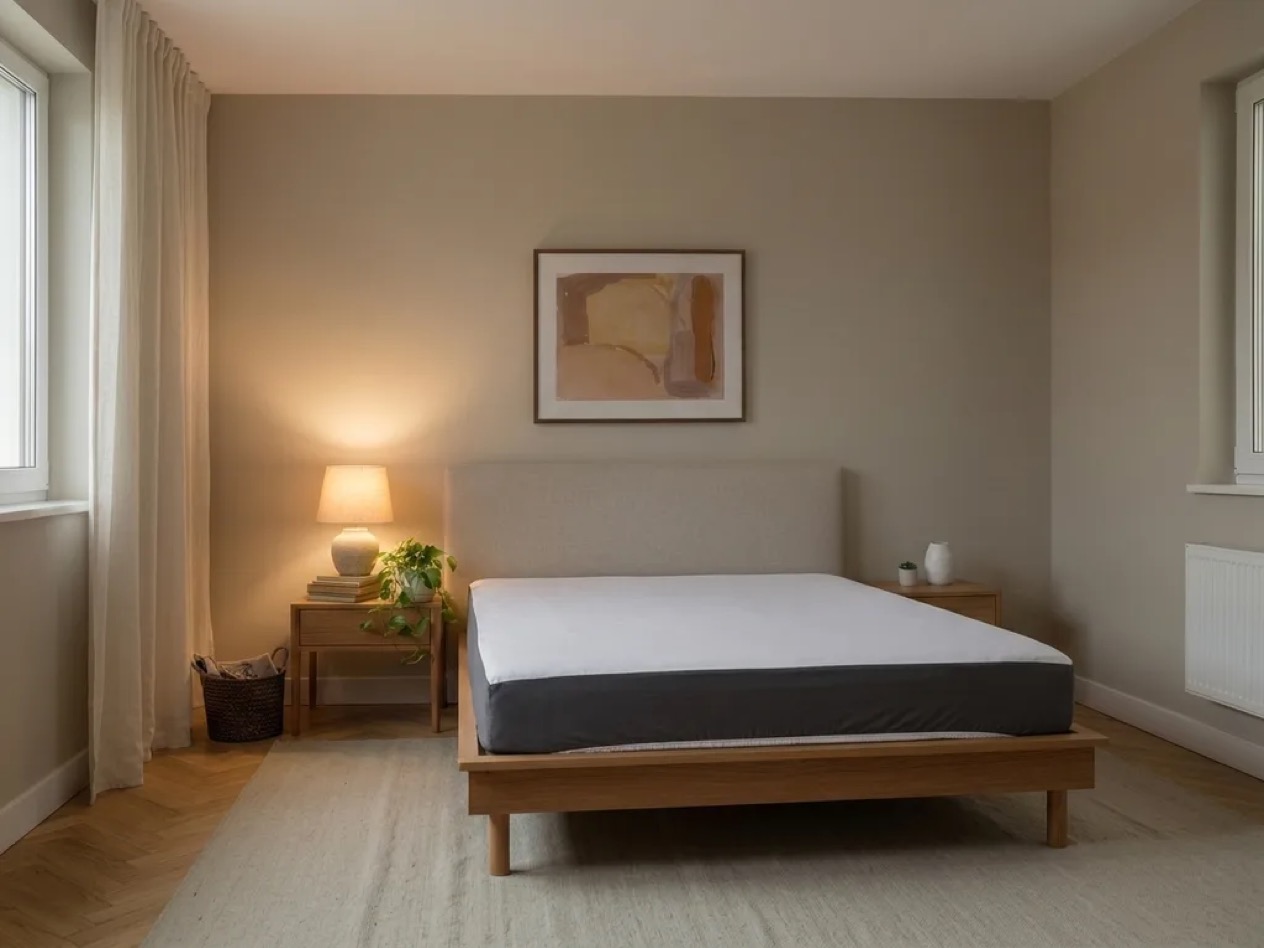
Emma Waterproof Mattress Protector
Emma mattress sizes; depth to 35 cm · 14 nightsFitted-sheet-style waterproof layer that handles leaks, night sweats and waters — and stretches over a topper too.
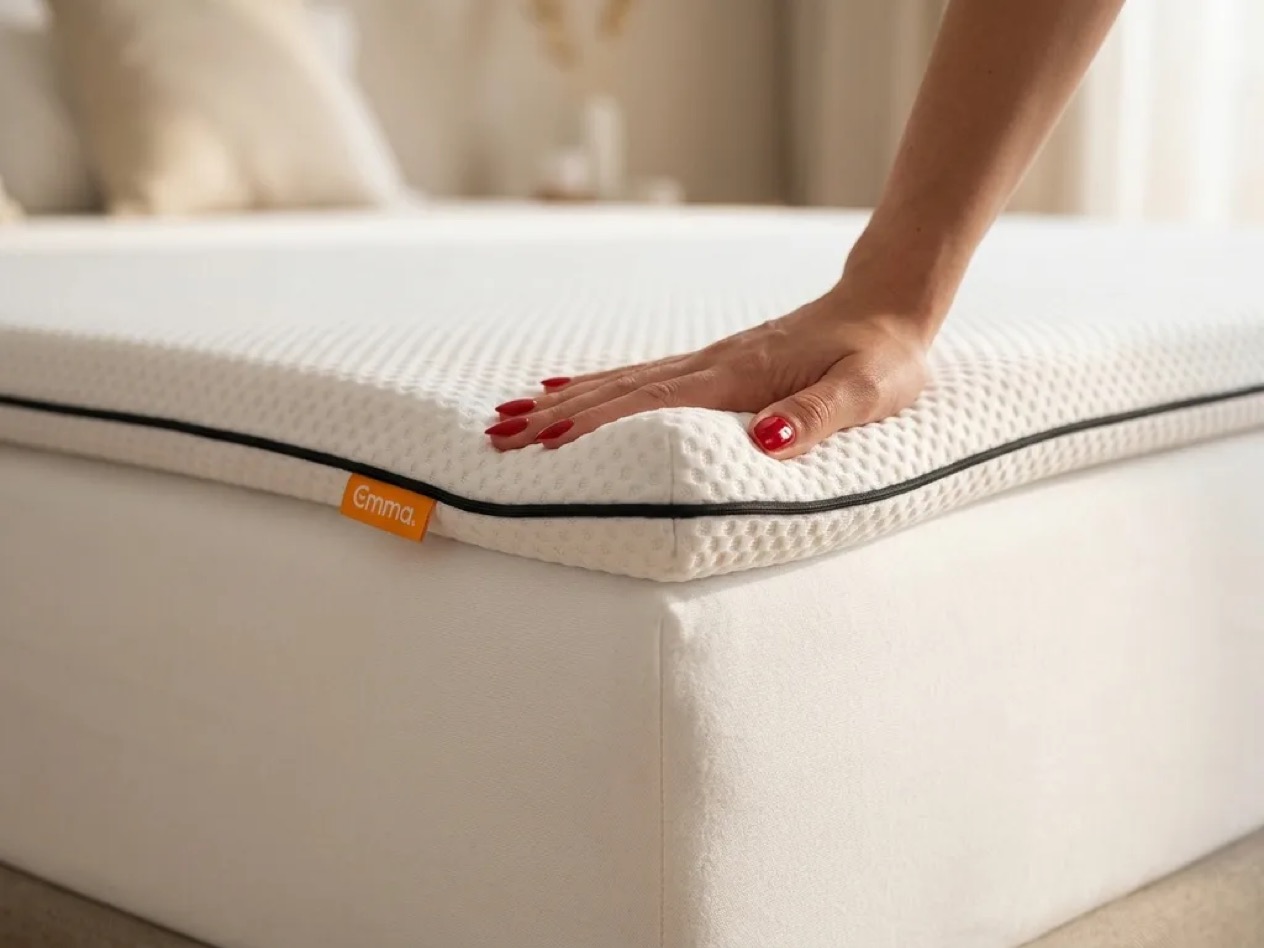
Emma Original Topper
6 cm · 100 nightsA 6 cm flip topper takes pressure off hips and shoulders if your current mattress is too firm for months of side sleeping.
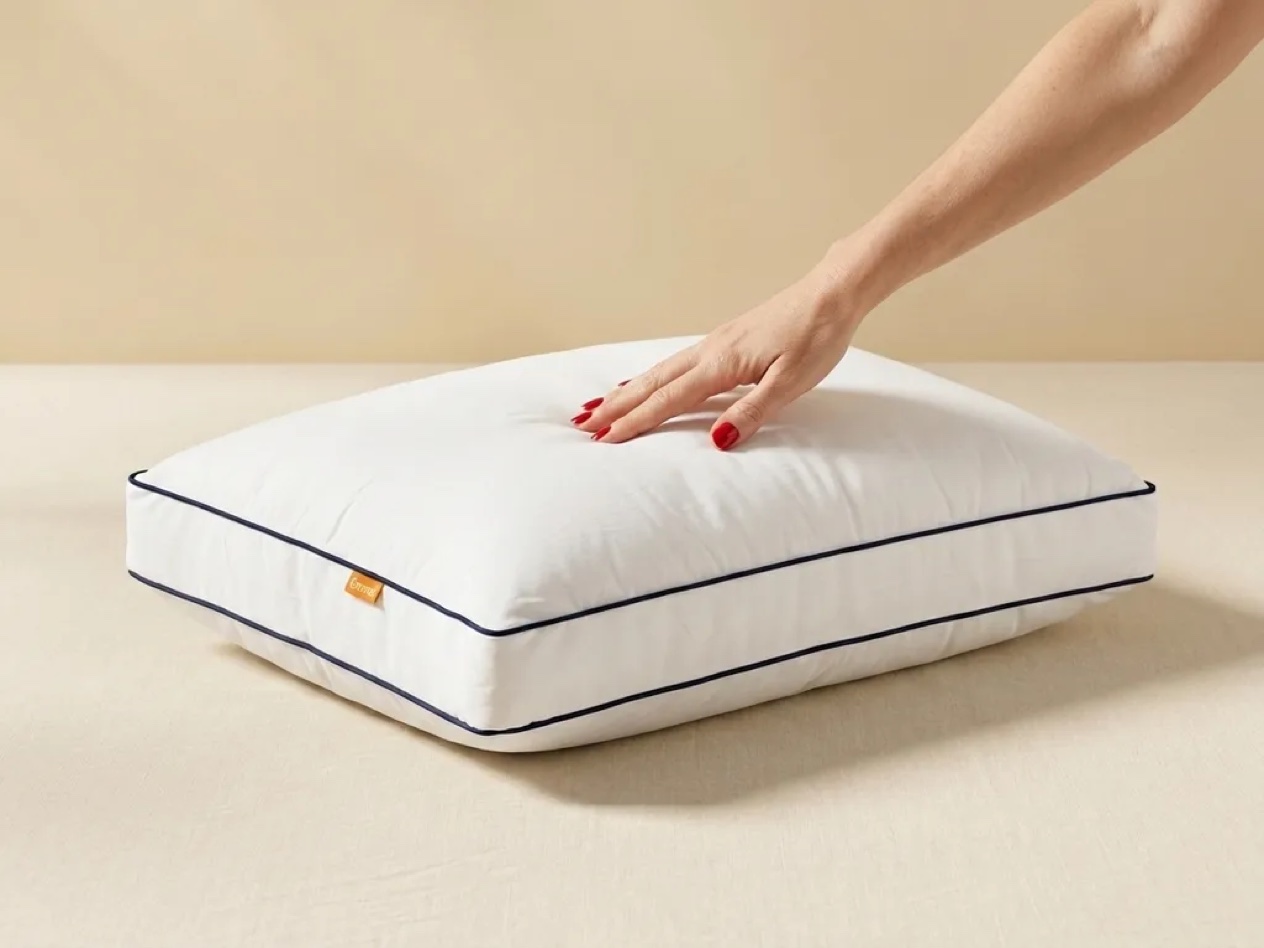
Emma Hybrid Pillow
50×70 cm · 30 nightsFlip soft or firm as your neck and comfort preferences change trimester to trimester.
We may earn a commission if you buy through these links — it never affects our picks.
Common issues — and what helps
Heartburn & reflux
Very common as pregnancy progresses. Sleeping on your left side and propping your upper body up slightly (a wedge pillow helps) reduces it, as does avoiding large or spicy meals close to bedtime. Persistent reflux is worth mentioning to your midwife or GP, who can advise on safe remedies.
Restless legs & cramps
Restless legs syndrome — an urge to move the legs at night — becomes more common as pregnancy goes on and can relate to low iron. Gentle stretching, keeping active by day and staying hydrated can help, but mention it to your midwife or GP, as they may check your iron levels.
Hip & pelvic pain
Pressure on the down-side hip and pelvic girdle pain make side-sleeping sore. A pillow between the knees keeps the hips and pelvis aligned, and a mattress or topper that cushions the hip takes the edge off. Pelvic pain that's limiting you is worth raising with your midwife, who can refer you to physiotherapy.
Find a mattress that's kind to side-sleeping
Comfortable side-sleeping for nine months comes down to the right pressure relief and support. Take our 2-minute quiz to be matched — no email required.
Take the 2-minute mattress quiz →Frequently Asked Questions
Related Guides
Explore more sleep content to help you make the best choices.
Best Sleeping Position
Back vs side vs stomach — why side wins, and how to get comfortable in it
Read moreBest Mattresses for Side Sleepers
Tested picks that cushion hips and shoulders — your position all pregnancy
Read moreBest Pillows by Sleep Position
Head and knee support to round out your side-sleeping set-up
Read moreInsomnia in Ireland
What actually works when broken nights turn into proper sleeplessness
Read moreKids' Sleep Guide
Ages, stages and bedtimes for what comes after the bump
Read moreIdeal Bedroom Temperature
How to keep the room cool when pregnancy is running you hot
Read moreSources
- Tommy's — Sleep position in pregnancy (Sleep On Side) and the MiNESS research. View source
- Tommy's — Sleeping position and stillbirth (MiNESS trial findings). View source
- Johns Hopkins Medicine — Get a Good Night's Sleep During Pregnancy. View source