




A note on health advice: This guide is for general information only and is not medical advice. Sleep problems can have many causes. If poor sleep is affecting your daily life, lasts more than a few weeks, or you suspect a condition such as insomnia or sleep apnoea, speak to your GP. In Ireland you can also find guidance at HSE.ie.
Start with your sleep quality
The most common reason people feel tired all the time is simply poor-quality or insufficient sleep — and the good news is that this is the most fixable. Hours in bed aren't the same as restorative sleep. Run through these before anything else:

Not enough sleep, or at the wrong times
Most adults need 7–9 hours. An irregular schedule — different bed and wake times each day — also leaves you tired even if the total adds up. See how much sleep you need by age and use our sleep calculator to build a steady routine.
Undiagnosed sleep apnoea
If you snore loudly, gasp or stop breathing in your sleep and wake unrefreshed, sleep apnoea could be fragmenting your nights without you realising. It's very common and very treatable — see our sleep apnoea guide and talk to your GP.
Your bedroom environment
A room that's too warm, too bright or too noisy keeps surfacing you out of deep sleep. A cool, dark, quiet room makes a real difference — our bedroom temperature guide covers the basics.
Caffeine, alcohol & screens
Afternoon caffeine, a nightcap, or scrolling in bed all degrade sleep quality. Alcohol in particular fragments the second half of the night and steals restorative REM sleep.
An old or unsuitable mattress
A sagging or wrong-for-you bed makes you shift and surface all night without fully waking. If you wake stiff, sore or hot, the bed may be part of the problem.
When it's not about sleep: causes to discuss with your GP
If your sleep is genuinely good and you're still exhausted, the cause may be physical. These are common, measurable and usually treatable — but they need a doctor, not guesswork. Bring them up with your GP, who can arrange the right tests.

Iron deficiency
One of the most common causes of fatigue, especially in women who menstruate, in pregnancy, and in people who eat little or no red meat. Low iron means less oxygen reaches your muscles and brain, causing tiredness, breathlessness, pallor and poor concentration. A simple blood test checks for it.
Vitamin D deficiency — a real Irish issue
At Ireland's latitude the sun is too weak from roughly October to March for your skin to make vitamin D — a "vitamin D winter" — and around half of Irish adults are deficient in wintertime. Low vitamin D is linked to fatigue and low mood. The HSE recommends most adults take a 15 microgram vitamin D supplement daily; if you're persistently tired, it's worth raising with your GP or pharmacist.
Thyroid problems
An underactive thyroid (and sometimes an overactive one) disrupts your metabolism and is a classic cause of persistent tiredness, often alongside weight changes, feeling cold, or low mood. A thyroid function blood test checks for it.
Stress, anxiety & low mood
Mental health and tiredness are tightly linked — stress and anxiety disrupt sleep and drain energy, and persistent low mood often shows up as fatigue. Our guides to sleep & anxiety and insomnia in Ireland may help, and your GP can support you with this too.
Other causes worth knowing
Vitamin B12 or folate deficiency, undiagnosed diabetes or other blood-sugar issues, coeliac disease, certain medications, dehydration, and ongoing infections can all cause fatigue. This isn't a list to diagnose yourself from — it's a reminder of why a GP visit and the right blood tests matter when tiredness won't shift.
When to see your GP and get bloods done
"Tired all the time" is one of the most common reasons people visit their GP — you won't be wasting anyone's time. See your GP if your tiredness:
- •Has lasted more than two to four weeks without an obvious cause
- •Is affecting your work, relationships or daily life
- •Comes with other symptoms — breathlessness, unexplained weight change, feeling faint, low mood, or heavy periods
- •Doesn't improve even when your sleep and habits are good

Your GP will decide which tests are appropriate, but blood tests for unexplained fatigue commonly include a full blood count, iron studies, thyroid function, vitamin D, B12 and folate, and blood sugar. The point isn't to alarm you — most causes are common and treatable, and a test is the fastest route to feeling like yourself again.
A self-audit checklist
Run through these before your GP visit — it'll make the conversation far more useful. This isn't a diagnosis or a score; it's a prompt to spot the easy fixes and gather the information your doctor needs.

Sleep & habits
- Am I getting 7–9 hours most nights?
- Are my bed and wake times roughly consistent?
- Is my bedroom cool, dark and quiet?
- Do I snore loudly or wake gasping?
- Am I having caffeine after mid-afternoon, or alcohol at night?
- Is my mattress old, sagging or uncomfortable?
Flags to mention to your GP
- Tiredness lasting more than 2–4 weeks
- Breathlessness, pallor or feeling faint
- Heavy periods or a low-iron diet
- Unexplained weight change or feeling cold
- Low mood, stress or anxiety
- Am I taking a daily vitamin D supplement?
Fix the right layer of the bed
If the self-audit points at the bed, don't jump straight to a new mattress — replace the whole thing only if it's genuinely done, and try the cheaper layers first.
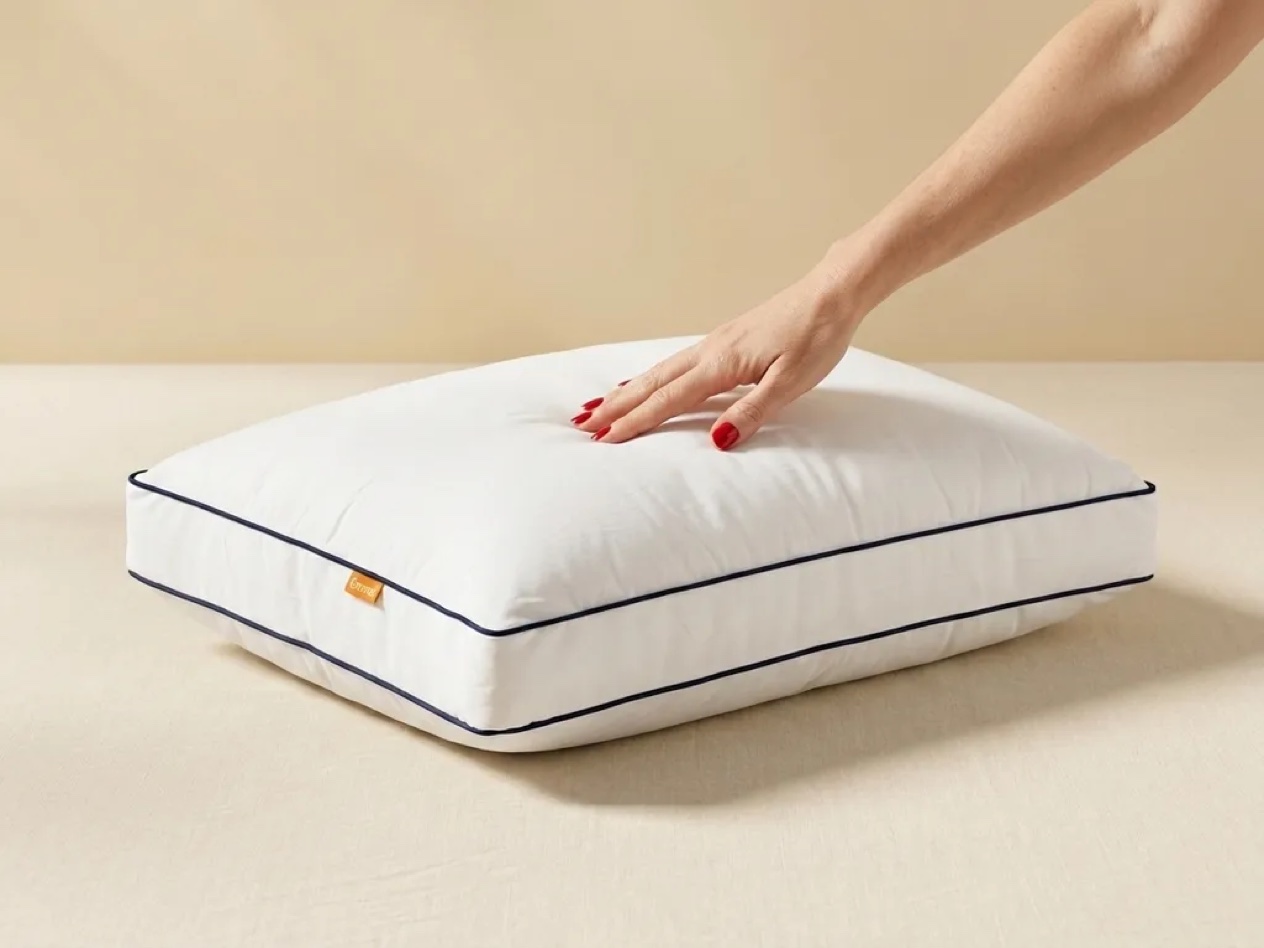
Emma Hybrid Pillow
50×70 cm · 30 nightsWaking stiff usually points at pillow height — flip soft or firm to find the level your neck wants.
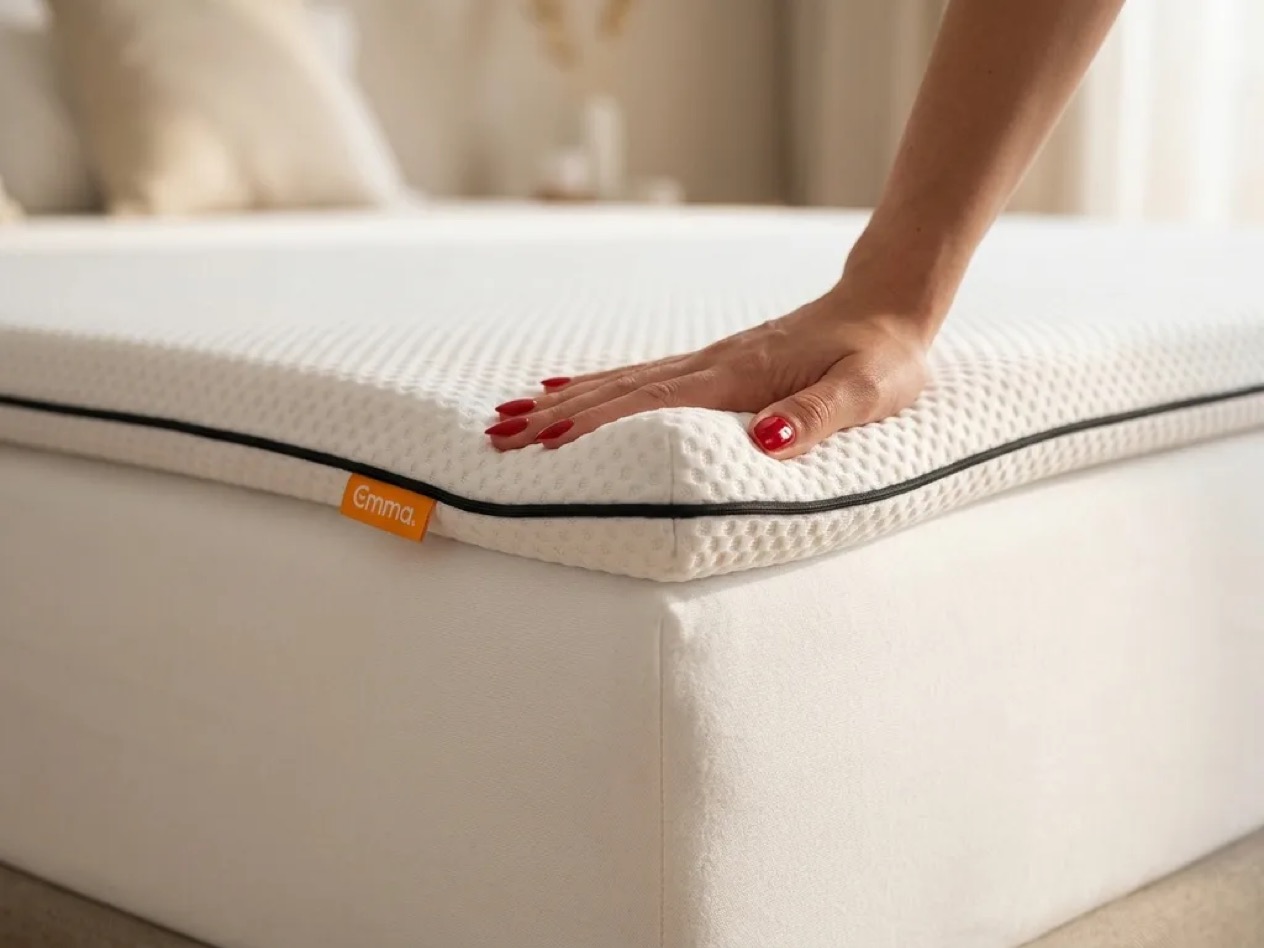
Emma Original Topper
6 cm · 100 nightsA 6 cm flip topper revives a tired-but-not-dead surface for a fraction of the price of a new mattress.

Emma Original
3.7/5200 nights · 10 yearsPast eight years or visibly dipped, a mattress stops doing its job — this is the all-rounder we point most Irish sleepers to.
We may earn a commission if you buy through these links — it never affects our picks.
Think the bed might be the problem?
If your sleep is broken and the basics are covered, the mattress is worth ruling out. Our 2-minute quiz matches you to the right type and firmness for how you sleep — no email required.
Take the 2-minute mattress quiz →Frequently Asked Questions
Related Guides
Explore more sleep content to help you make the best choices.
Insomnia in Ireland
What to do when you can't fall — or stay — asleep
Read moreSleep Apnoea in Ireland
The hidden cause of daytime exhaustion — signs, testing and treatment
Read moreHow Much Sleep Do You Need by Age?
Recommended hours for every age group, and why quality matters more
Read moreSleep Calculator
Work out your ideal bedtime by sleep cycle and build a steady routine
Read moreSleep Trackers Tested
Which apps and wearables actually measure your sleep quality
Read moreBest Mattress Ireland
Our top-rated mattresses if the bed turns out to be the problem
Read moreSources
- HSE — Vitamin D (Irish supplement recommendations). View source
- HSE — Iron deficiency anaemia. View source
- NHS — Tiredness and fatigue: self-help and when to see a GP. View source