



A note on health advice: This guide is for general information only and is not medical advice. Sleep problems can have many causes. If poor sleep is affecting your daily life, lasts more than a few weeks, or you suspect a condition such as insomnia or sleep apnoea, speak to your GP. In Ireland you can also find guidance at HSE.ie.
What sleep apnoea is, and its warning signs
In obstructive sleep apnoea (OSA), the HSE explains, "the walls of the throat relax and narrow" during sleep and "block the flow of air into your lungs" — so your breathing repeatedly stops and starts. Each pause briefly drops your blood oxygen and pulls you up into lighter sleep to restart breathing, often without you ever fully waking. Over a night that can happen dozens or hundreds of times, which is why people with OSA feel shattered despite a "full" night's sleep.
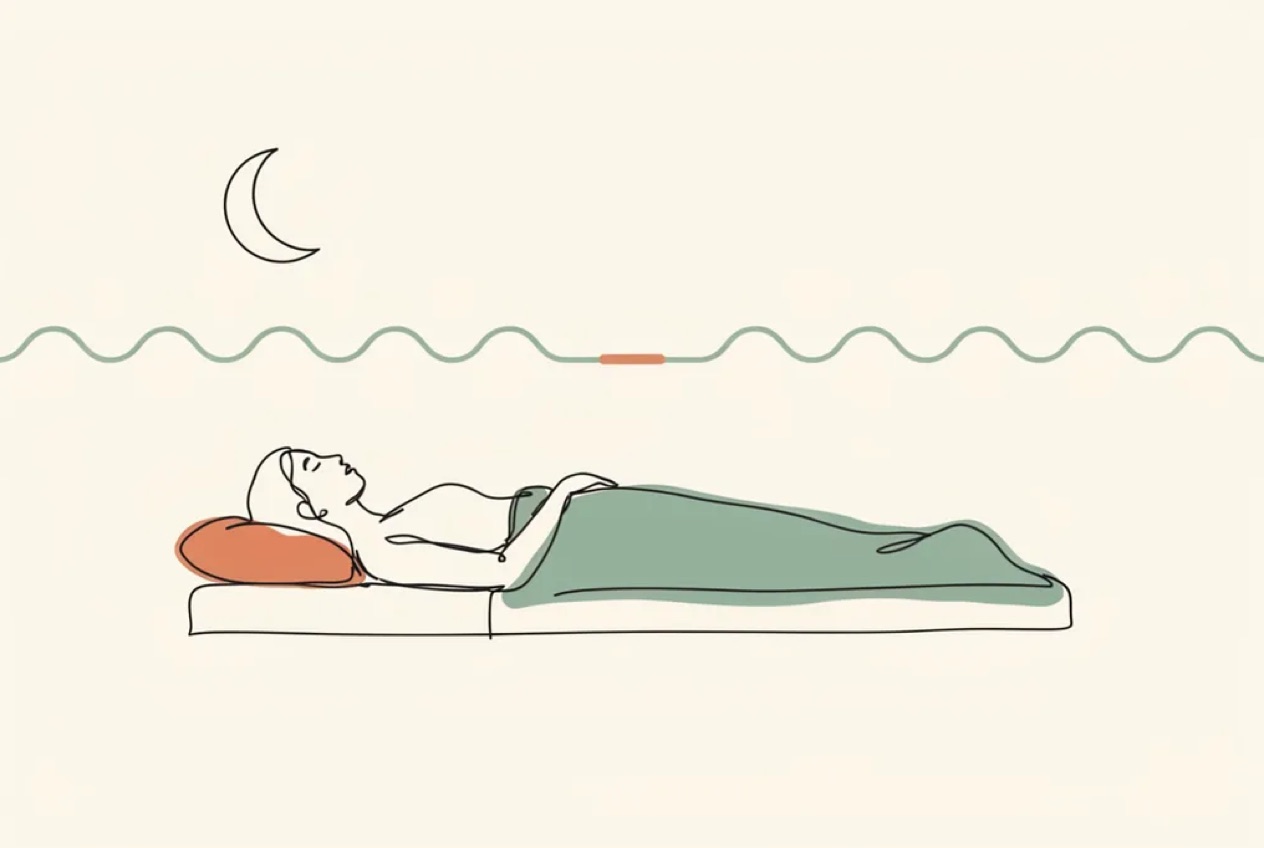
Because the most obvious signs happen while you're asleep, a partner often spots them first. The warning signs to look for:
This matters beyond tiredness: untreated OSA is linked to high blood pressure, heart problems, type 2 diabetes and accidents caused by daytime drowsiness. The good news is that it's very treatable once diagnosed.
Self-screen: the STOP-BANG questionnaire
STOP-BANG is a widely used screening tool that estimates your risk of obstructive sleep apnoea. Tick the boxes that apply. It is not a diagnosis — only a sleep study arranged by a doctor can confirm apnoea — but it's a useful, evidence-based way to decide whether to raise it with your GP.
Your score
0/8
Lower risk
A score of 0–2 suggests a lower likelihood — but if your symptoms are troubling you, still talk to your GP.
How testing works in Ireland
This is the part that's genuinely hard to find clear information on. Here's the pathway, step by step.
1. Your GP
The starting point. Your GP asks about your symptoms and daytime sleepiness, checks your blood pressure, and may take bloods to rule out other causes such as an underactive thyroid. If they suspect apnoea, they refer you to a specialist sleep clinic. Bring your partner's observations and your STOP-BANG result — both help.
2. The sleep study
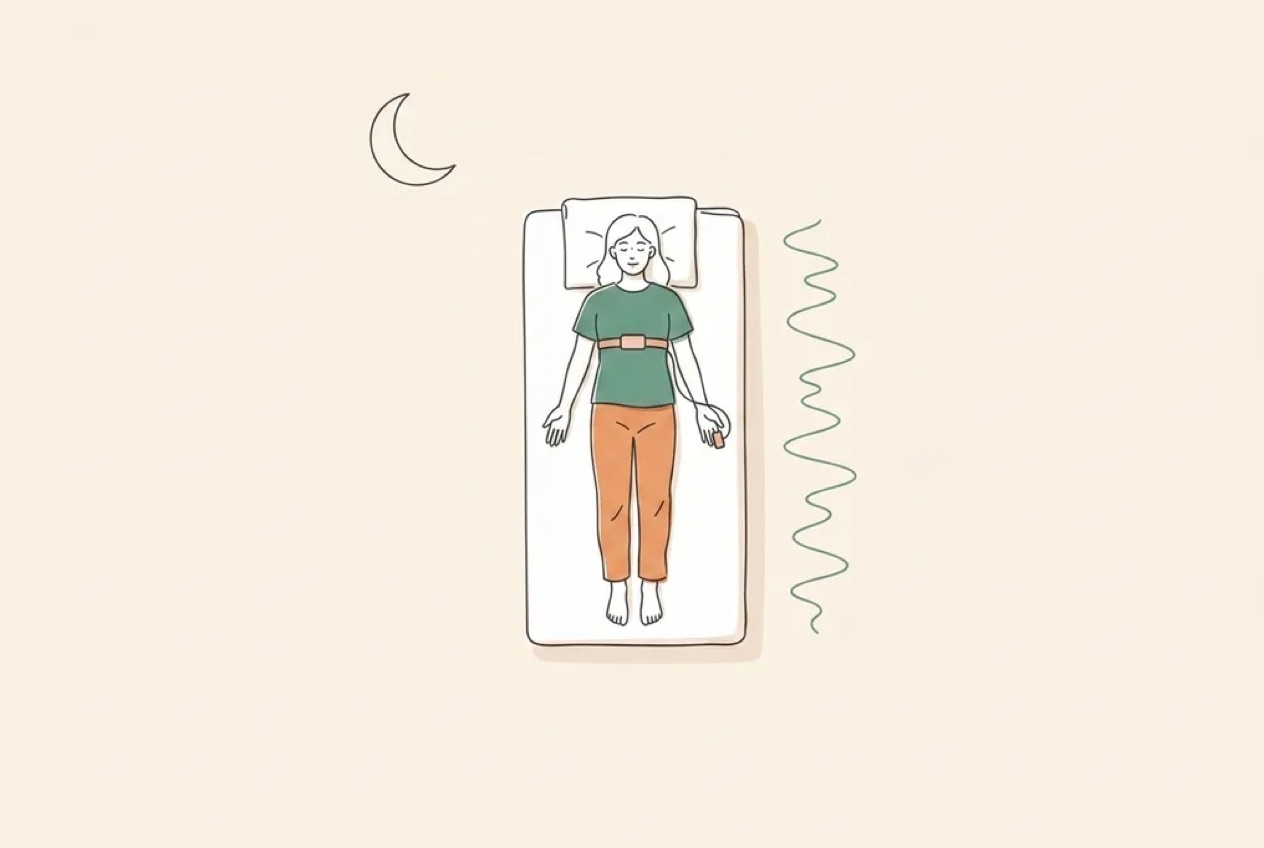
Diagnosis is made with a sleep study. This is either an in-hospital polysomnography — an overnight stay in a sleep unit recording brain waves, muscle tone, blood oxygen and breathing — or a home sleep test, a small device you wear for a night that tracks oxygen, breathing movements and heart rate. Both produce an AHI score (apnoea- hypopnoea index) that grades severity as mild, moderate or severe.
3. Public vs private
Public sleep services run through hospital units (for example the sleep and ventilation services at Beaumont and St James's, among others), accessed by GP or consultant referral — these are covered but waiting lists can be long. Private sleep clinics and home sleep tests are usually much faster, paid for directly or through private health insurance; some insurers run their own home screening programmes. Your GP can advise what's realistic in your area.
Treatment: CPAP and the alternatives
Treatment depends on severity, and the HSE notes that "lifestyle changes can sometimes help treat mild obstructive sleep apnoea" while moderate to severe cases usually need a device.

CPAP (continuous positive airway pressure)
The main treatment for moderate to severe OSA. A small pump delivers a steady stream of air through a mask, gently holding the airway open all night. It's highly effective at stopping the pauses and the snoring, and at reducing the associated health risks. It takes some getting used to — mask fit and comfort are the usual early hurdles, and your clinic will help you adjust.
Mandibular advancement device (MAD)
A custom dental device that holds the jaw and tongue forward to keep the airway open. It's used for mild OSA, or as an alternative for people who can't tolerate CPAP, and should be fitted by an experienced dentist.
Lifestyle changes
Often the first step in mild cases and valuable alongside any treatment: losing weight if you're carrying extra, cutting evening alcohol, stopping smoking, and avoiding sleeping on your back. Surgery exists but, the HSE notes, "is not usually recommended."
Paying for CPAP in Ireland: if you have a medical card, the HSE covers your treatment once you're set up. Otherwise, CPAP rental can be claimed under the Drug Payment Scheme, which caps what any individual or family pays for approved items at €80 a month.
Mattress & pillow set-up for CPAP and apnoea
Your bed won't treat apnoea — but the right set-up makes treatment easier to live with and supports the positional changes that help. A few things that make a difference:
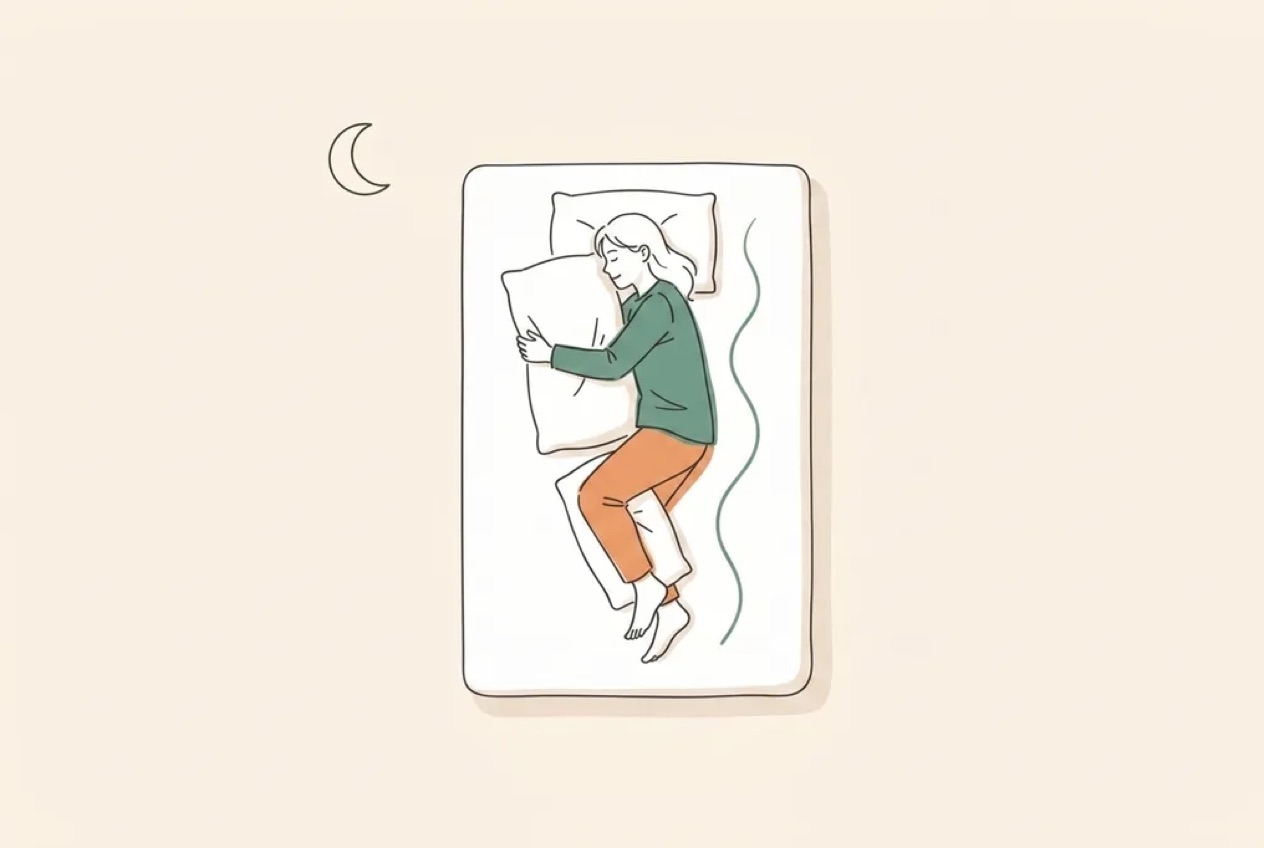
- •Make side-sleeping comfortable. Sleeping on your side rather than your back reduces airway collapse for many people. A mattress that cushions the shoulder and hip — see our side-sleeper guide — helps you stay there comfortably all night.
- •Consider a CPAP-friendly pillow. Pillows shaped with cut-outs for the mask and hose reduce mask leaks and let you turn without dislodging it — a common reason people give up on CPAP early.
- •Support good back-sleeping if you must. If you can't avoid your back, proper spinal support matters — our back-sleeper guide covers mattresses that keep the spine aligned, and a slight head incline can ease breathing for some.
One comfort aid worth knowing
Nothing here treats sleep apnoea — CPAP and your sleep clinic do that. This is purely a comfort aid for holding the side-lying position discussed above.
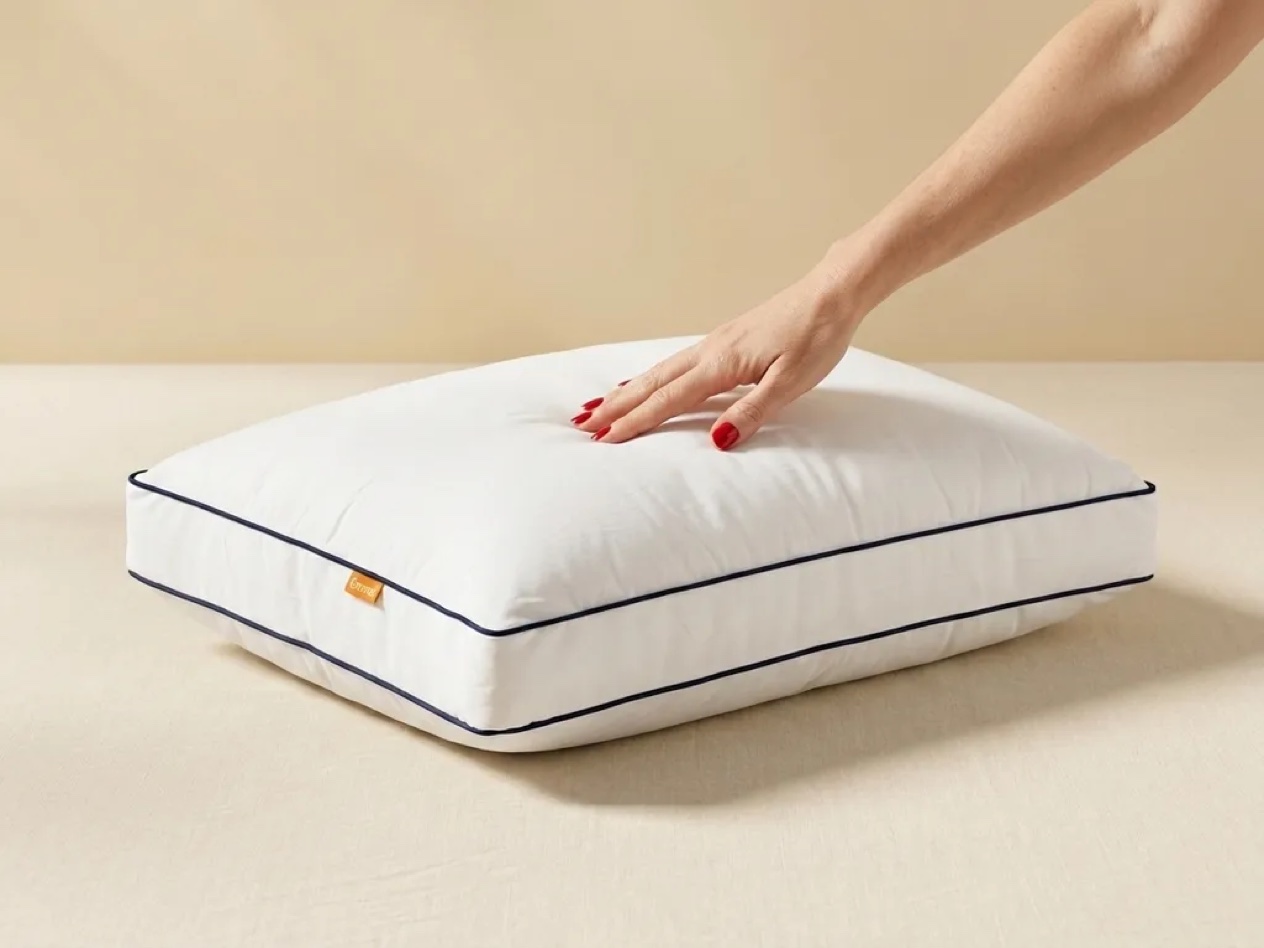
Emma Hybrid Pillow
50×70 cm · 30 nightsFlip-adjustable soft or firm height makes a steady side-lying position easier to hold without pushing your neck out of line.
We may earn a commission if you buy through these links — it never affects our picks.
Find a mattress that supports side-sleeping
The right firmness and support make positional changes far easier to stick to. Take our 2-minute quiz to be matched to a mattress for how you sleep — no email required.
Take the 2-minute mattress quiz →Frequently Asked Questions
Related Guides
Explore more sleep content to help you make the best choices.
Snoring: Causes & Fixes
How to tell harmless snoring from something more serious — and quieten it either way
Read moreBest Sleeping Position
Why side sleeping helps your airway, and how to make the switch stick
Read moreWhy Am I Always Tired?
Common causes of constant daytime tiredness — and when to see your GP
Read moreBest Mattress for Side Sleepers
Pressure-relieving picks that make the anti-apnoea position comfortable all night
Read moreSleep Trackers Tested
What consumer trackers can and can't tell you about your night's sleep
Read moreSources
- HSE — Obstructive sleep apnoea: symptoms and diagnosis. View source
- HSE — Obstructive sleep apnoea: treatment (CPAP, MAD, lifestyle, Drug Payment Scheme). View source
- Chung et al. — STOP-Bang Questionnaire: A Practical Approach to Screen for Obstructive Sleep Apnea (peer-reviewed). View source